Three separate but related recalls of automobiles by Toyota Motor Corporation occurred at the end of 2009 and start of 2010. Toyota initiated the recalls, the first two with the assistance of the U.S. National Highway Traffic Safety Administration (NHTSA), after reports that several vehicles experienced unintended acceleration. The first recall, on November 2, 2009, was to correct a possible incursion of an incorrect or out-of-place front driver's side floor mat into the foot pedal well, which can cause pedal entrapment. The second recall, on January 21, 2010, was begun after some crashes were shown not to have been caused by floor mat incursion. This latter defect was identified as a possible mechanical sticking of the accelerator pedal causing unintended acceleration, referred to as Sticking Accelerator Pedal by Toyota. The original action was initiated by Toyota in their Defect Information Report, dated October 5, 2009, amended January 27, 2010. Following the floor mat and accelerator pedal recalls, Toyota also issued a separate recall for hybrid anti-lock brake software in February 2010.
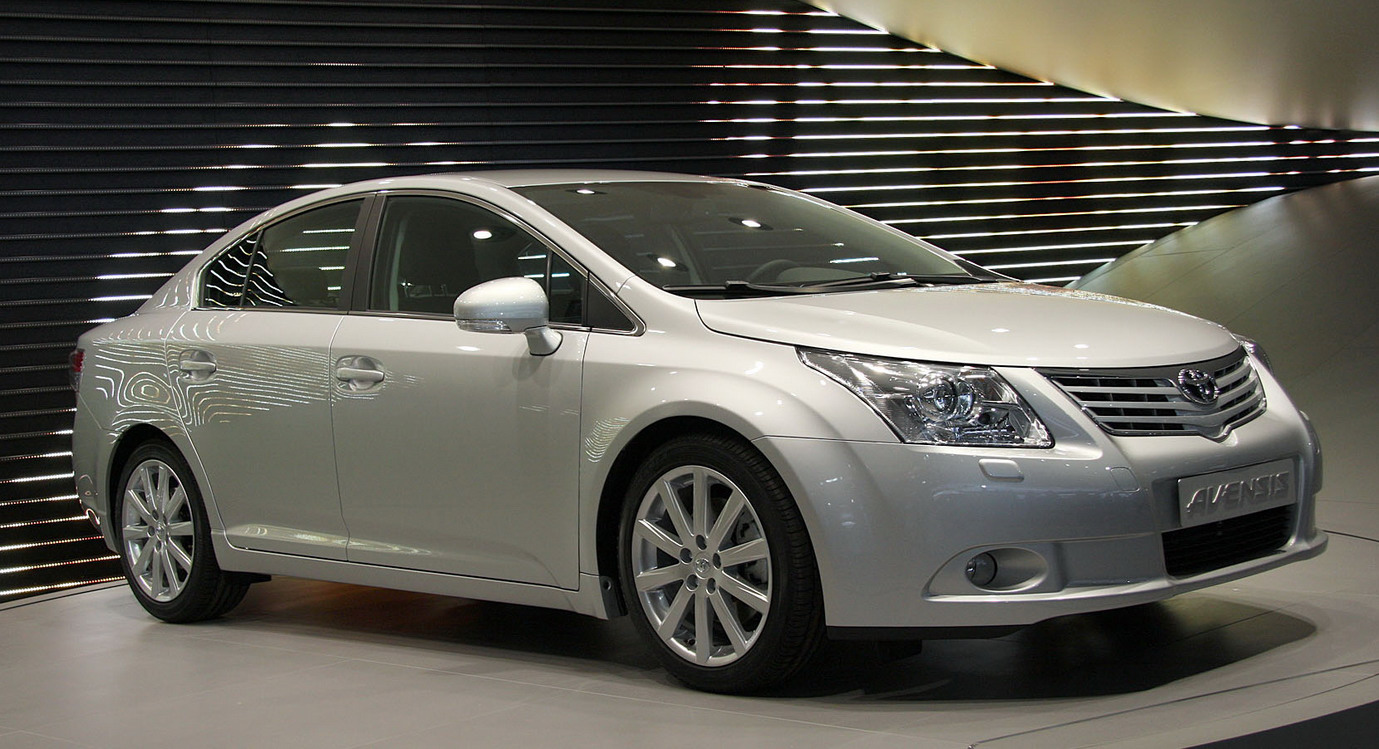
As of January 28, 2010, Toyota had announced recalls of approximately 5.2 million vehicles for the pedal entrapment/floor mat problem, and an additional 2.3 million vehicles for the accelerator pedal problem. Approximately 1.7 million vehicles are subject to both. Certain related Lexus and Pontiac models were also affected. The next day, Toyota widened the recall to include 1.8 million vehicles in Europe and 75,000 in China. By then, the worldwide total number of cars recalled by Toyota stood at 9 million. Sales of multiple recalled models were suspended for several weeks as a result of the accelerator pedal recall, with the vehicles awaiting replacement parts. As of January 2010, 21 deaths were alleged due the pedal problem since 2000, but following the January 28 recall, additional NHTSA complaints brought the alleged total to 37. The number of alleged victims and reported problems sharply increased following the recall announcements, which were heavily covered by U.S. media, the causes of individual reports were difficult to verify. Government officials, automotive experts, Toyota, and members of the general public contested the scope of the sudden acceleration issue and the veracity of victim and problem reports. Various parties attributed sudden unintended acceleration reports to mechanical, electric, and driver error causes. Some US owners that had their recalled vehicles repaired still reported accelerator pedal issues, leading to investigations and the finding of improper repairs. The recalls further led to additional NHTSA and Toyota investigations, along with multiple lawsuits.
Contents
* 1 Recall timeline
* 2 Floor mat recall
o 2.1 Affected vehicles for floor mat recall
o 2.2 Amended recall to include accelerator pedal
* 3 Accelerator pedal recall
o 3.1 Affected vehicles and vehicle lines
o 3.2 History of accelerator pedal design
o 3.3 Field workaround for sudden unintended acceleration
* 4 Anti-lock brake software recall
o 4.1 Affected vehicles for anti-lock brake software recall
* 5 Other recalls
* 6 Investigations
o 6.1 NHTSA investigations
o 6.2 MLIT investigations
o 6.3 US congressional hearings
+ 6.3.1 US governors' letter to congressional members
* 7 Aftermath
o 7.1 Economic impact
o 7.2 Manufacturer changes
o 7.3 Competitor reactions
o 7.4 Release of Toyota driver jailed for fatal crash
o 7.5 Media coverage and criticism
+ 7.5.1 James Sikes alleged unintended acceleration case
o 7.6 Public image
* 8 Other possible causes of unintended acceleration
o 8.1 Electronic throttle control system
+ 8.1.1 ABC News acceleration controversy
+ 8.1.2 Possible cruise control cause
o 8.2 Driver error
+ 8.2.1 Factors leading to pedal misapplication
+ 8.2.2 Previous findings of driver error
* 9 Litigation
* 10 Other manufacturers
* 11 See also
* 12 References

toyota 2009

toyota 2009

toyota 2009

toyota 2009

toyota 2009

toyota 2009

toyota 2009

toyota 2009

toyota 2009

toyota 2009

toyota 2009

toyota 2009

toyota 2009
toyota 2009
 toyota hilux
 toyota hilux
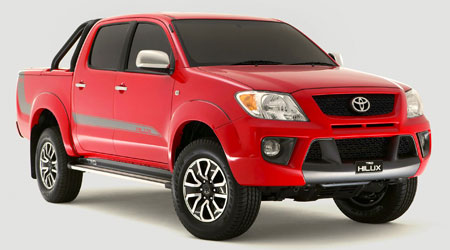 toyota hilux
 toyota hilux
 toyota hilux
 toyota hilux
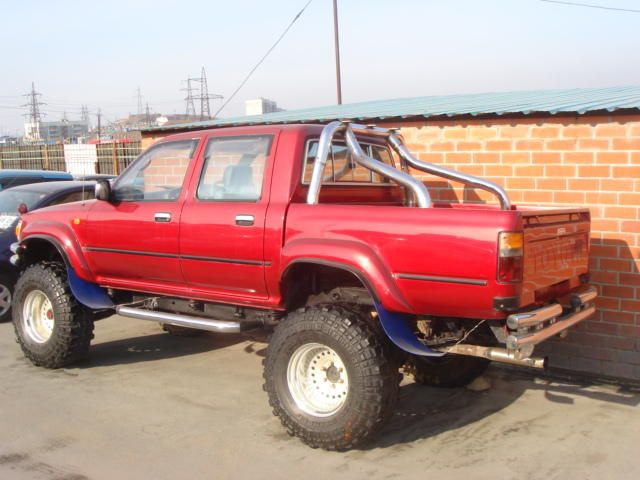 toyota hilux
 toyota hilux
 toyota hilux







 new suzuki